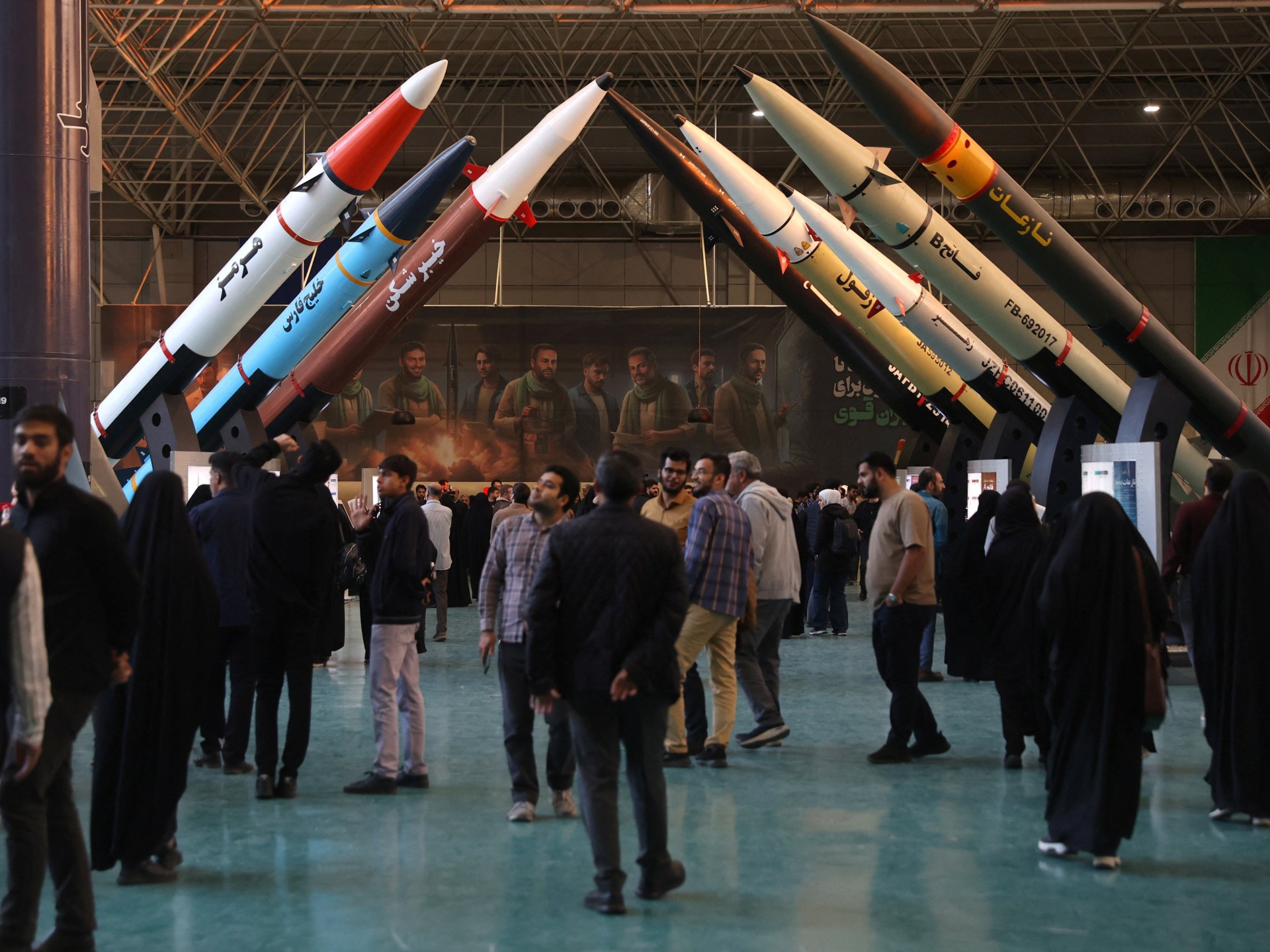
The Middle East, a geopolitical crucible, is once again a focal point of global concern. As tensions escalate, particularly between Israel and Iran, the ripple effects are felt far beyond regional borders, threatening to unravel the delicate fabric of global supply chains and ignite unprecedented energy volatility. Understanding the multifaceted impacts of this crisis, often encapsulated by the German term "iran krieg kosten" – the costs of an Iran conflict – is crucial for businesses, governments, and consumers worldwide.
The Strait of Hormuz: A Global Energy Chokepoint Under Threat
At the heart of the crisis's potential economic fallout lies the Strait of Hormuz, a narrow waterway bordering Iran. This strategic chokepoint is not merely a geographical feature; it's the artery through which a staggering one-third of the world's seaborne oil and one-fifth of global liquefied natural gas (LNG) shipments pass daily. The mere threat of disruption here sends shivers through international markets, prompting a rapid repricing of risks for global oil and LNG supplies.
Historically, even the suggestion of a blockade or increased insecurity in the Strait has caused significant market instability. In recent times, following heightened military activities, oil prices worldwide have surged by over 10 percent. The international Brent crude benchmark, for instance, has seen its price per barrel climb significantly, hovering around the $77 mark. The fear is that a full-scale closure of the Strait could push prices past the critical $100 per barrel threshold, a scenario that would trigger a global economic shockwave.
While experts like Dr. Yousef Alshammari, President of the London College of Energy Economics, believe a complete closure is unlikely—primarily because Iran itself relies on the Strait to export to key customers like India and China—the risks are nonetheless tangible. Even without a full blockade, the perceived dangers compel some oil tankers to refuse passage, as exemplified by major operators like Frontline. Moreover, insurance premiums for vessels transiting the area are soaring, adding another layer of cost and complexity to global shipping. These surcharges are a direct and immediate component of the ongoing iran krieg kosten, impacting global trade even without direct military confrontation.
Europe's Energy Security & The Ripple Effect on its Economies
Europe, in its ongoing efforts to reduce its dependence on Russian gas, has become increasingly reliant on global LNG supplies. This shift, while strategically necessary, has inadvertently exposed the continent to new vulnerabilities, particularly to geopolitical shocks emanating from the Middle East. The region's vast natural gas fields, such as the South Pars field shared by Iran and Qatar, are vital sources of LNG for Europe and other parts of the world. Any threat to these fields or their transport routes directly jeopardizes Europe's energy security.
Even with currently adequate LNG reserves, Europe's economy remains acutely sensitive to price fluctuations and supply disruptions. The escalating tensions have already begun to feed into higher European energy prices, exacerbating inflationary pressures across the continent. This situation poses a significant challenge to industries, which face increased operational costs, and to households, which grapple with rising utility bills. The specter of prolonged high energy costs threatens to dampen economic growth, strain public finances, and potentially trigger social unrest.
The intertwined nature of global energy markets means that a crisis in one region inevitably sends ripples across continents. For a deeper dive into how these geopolitical tensions directly translate into economic hardship for the continent, consider reading our related analysis: Iran Conflict: Global Energy Costs & Europe's Economic Strain. This highlights how the European Union's journey towards energy independence is fraught with new, complex challenges stemming from the volatile Middle East.
Broader Economic Ripples: Beyond Energy Volatility
The "iran krieg kosten" extend far beyond the direct impact on energy prices. The world economy, already navigating the complexities of post-pandemic recovery and ongoing trade disputes, faces further headwinds. The World Bank's modest growth projections of 2.3 percent for this year and 2.8 percent for the next could easily be undermined by a protracted crisis. Elevated energy costs, coupled with potential blockades or increased shipping risks in critical maritime routes, threaten to disrupt global supply chains for a vast array of goods.
Supply chain disruption translates into higher transportation costs, longer lead times, and increased uncertainty for manufacturers and retailers. This not only fuels inflation but also risks reducing global production and trade volumes. Companies might face difficulties sourcing raw materials or components, leading to production delays, stockouts, and ultimately, reduced profitability. Consumers, in turn, experience higher prices for everyday goods, further eroding their purchasing power and confidence.
Moreover, the crisis intersects with existing global economic challenges, such as the trade war spurred by US tariffs. The combined effect of these factors creates a "perfect storm" scenario where localized tensions could trigger a global recession. Financial markets, already sensitive to geopolitical instability, react with increased volatility, affecting investment decisions and capital flows. The overall impact could be a significant drag on global growth, emphasizing that the true iran krieg kosten are economic slowdowns felt in every corner of the world.
The Human Toll and Unseen Costs of Conflict
While economists tally the financial "iran krieg kosten," it's imperative not to overlook the most tragic and enduring aspect of any conflict: the human toll. The reference context tragically details casualties on multiple fronts, with US service members and Iranian military personnel among the killed and wounded. Even more heart-wrenching are the civilian casualties, including the horrific incident at the Shajareh Tayyebeh girls' school in Minab, where numerous children and staff lost their lives – an event rightly condemned by UNESCO.
These direct casualties represent only the tip of the iceberg. The unseen costs of geopolitical tensions and conflict include widespread displacement, psychological trauma, lasting damage to infrastructure, and the erosion of societal well-being. Healthcare systems can be overwhelmed, educational opportunities disrupted, and entire communities destabilized for generations. Such human suffering translates into enormous long-term economic and social burdens that are difficult to quantify but profoundly impact a nation's future development.
Understanding these profound impacts requires looking beyond market numbers. For a comprehensive look at the ethical, humanitarian, and societal ramifications, explore our related article: Human Toll & Market Shock: The True Costs of Iran's Geopolitical Tensions. It's a sobering reminder that the real cost of conflict is always measured in human lives and suffering, dwarfing any monetary figure.
Mitigating Risks: Strategies for Global Resilience
In the face of such pervasive threats, proactive strategies are essential to build global resilience against the iran krieg kosten and similar geopolitical shocks. Governments, businesses, and individuals each have a role to play:
- Diversification of Energy Sources: For nations like those in Europe, accelerating the transition to renewable energy and securing diverse LNG suppliers from politically stable regions can reduce dependence on volatile areas.
- Strategic Reserves & Emergency Planning: Maintaining robust strategic petroleum reserves and developing comprehensive emergency response plans are crucial for mitigating the immediate impact of supply disruptions.
- Supply Chain Resilience: Businesses must move beyond just-in-time inventory models. Strategies like nearshoring, reshoring, and building redundancy into supply chains can buffer against disruptions, albeit often at a higher cost. Investing in real-time supply chain visibility and predictive analytics can also help anticipate and react to potential bottlenecks.
- International Diplomacy & Conflict Resolution: Ultimately, diplomatic engagement and de-escalation efforts are the most effective long-term solutions. International cooperation to foster stability in critical regions is paramount to safeguarding global economic well-being.
- Consumer Awareness & Energy Efficiency: On an individual level, adopting energy-efficient practices and exploring renewable energy options for homes can contribute to reduced overall demand, making societies less vulnerable to price spikes.
Conclusion
The Iran crisis presents a complex web of challenges, threatening not only regional stability but also the very foundations of the global economy. From the strategic chokehold of the Strait of Hormuz to the delicate balance of Europe's energy security, the potential for disruption and volatility is immense. The "iran krieg kosten" are multifaceted, encompassing soaring energy prices, widespread supply chain disruptions, inflationary pressures, and, most tragically, a profound human toll. While diplomatic solutions are the ultimate goal, a proactive approach encompassing diversification, resilience, and international cooperation is vital. By understanding these intricate connections and preparing for potential shocks, the global community can better navigate the turbulent waters ahead and strive to mitigate the far-reaching consequences of geopolitical tensions.